Acne & scarring
Acne Is More Than Just Pimples: Understanding Your Skin
A look at acne, lingering marks and the different ways breakouts can affect skin.
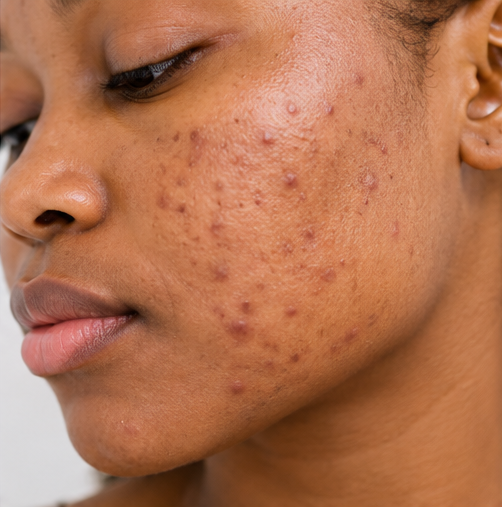
Acne Is More Than Just Pimples: Understanding Your Skin
Acne is often dismissed as a teenage problem, but the reality is that it affects people of all ages. Whether you're dealing with occasional breakouts, persistent inflammation or painful cystic acne, the condition can affect much more than your appearance.
Why does acne develop?
Acne develops when hair follicles become clogged with oil and dead skin cells. Bacteria, hormonal changes and inflammation can contribute to the development of spots, blackheads, whiteheads and deeper breakouts.
Although acne is common during adolescence, adults can experience it too. Hormonal fluctuations, genetics and other factors can all play a role.
The different types of acne
Acne can present in different forms, including:
- Blackheads: Open clogged pores that appear dark on the skin.
- Whiteheads: Closed clogged pores that appear as small bumps.
- Papules and pustules: Inflamed spots that may appear red or contain pus.
- Nodules and cysts: Deeper, often painful forms of acne that can increase the risk of permanent scarring.
Understanding the type of acne is important because different forms may require different treatment approaches.
What happens after acne?
One of the biggest challenges with acne is what it can leave behind. Even after breakouts disappear, some people are left with dark marks, uneven texture or permanent scarring.
Post-inflammatory hyperpigmentation is particularly common in darker skin tones and can take time to fade.
Acne scars, on the other hand, may appear as depressions, uneven skin texture or raised areas.
What treatments are available?
Treatment depends on the type and severity of acne. Options may include prescription creams, oral medication, chemical peels and procedures designed to improve the appearance of acne scars.
A dermatologist can assess your skin and recommend a treatment plan that addresses both active breakouts and their lasting effects.
When should you seek professional help?
If acne is persistent, painful, leaving scars or affecting your confidence, it may be time to consult a dermatologist.
The important thing to remember is that acne is a medical skin condition, not a reflection of poor hygiene.
You don't have to simply wait for acne to go away. Effective treatment starts with the right diagnosis.