Paediatric dermatology
Little Skin, Special Care: Understanding Children's Skin Conditions
An introduction to common childhood skin concerns and when to seek advice.
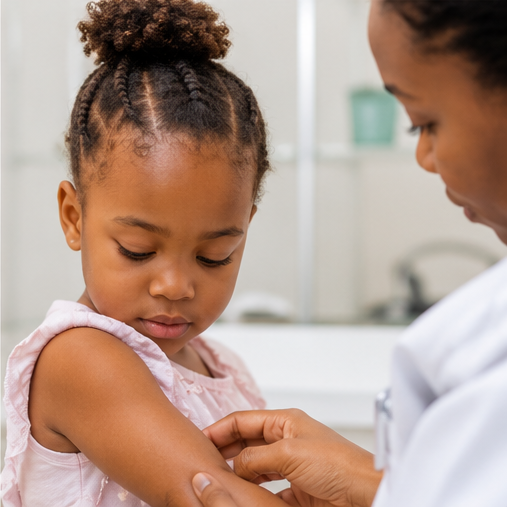
Little Skin, Special Care: Understanding Children's Skin Conditions
Children's skin is different from adult skin. It is still developing, can be more sensitive and may react differently to irritants, infections and environmental factors.
This is why paediatric dermatology focuses specifically on diagnosing and treating skin, hair and nail conditions in babies, children and adolescents.
What are some common childhood skin conditions?
Children can experience a variety of skin concerns as they grow. Some of the most common include:
Eczema
Eczema can cause dry, itchy and inflamed skin. It may affect different areas of the body and can sometimes interfere with sleep and everyday activities.
Birthmarks
Birthmarks are common and can vary in colour, size and appearance. Some require monitoring, while others may need further assessment depending on their characteristics.
Childhood acne
Although commonly associated with teenagers, acne can also occur in younger children. Persistent or unusual acne should be assessed by a healthcare professional.
Fungal infections
Fungal infections can affect areas such as the scalp, feet and body, sometimes causing itching, scaling or patches of hair loss.
Warts and viral skin conditions
Certain viruses can cause skin growths or rashes in children. These conditions may require treatment depending on their location, symptoms and severity.
Allergic skin reactions
Children may develop skin reactions following exposure to certain substances, products or environmental triggers.
When should parents seek dermatological care?
Parents should pay attention to persistent itching, unexplained rashes, changes in birthmarks, recurring infections or skin conditions that don't seem to improve.
While some childhood skin conditions are mild and temporary, others may require specialised assessment and treatment.
Why is specialised care important?
A child's skin requires an approach that considers their age, development, medical history and individual needs.
The right diagnosis can make a significant difference, helping children feel more comfortable while giving parents peace of mind.
Treatment options may include suitable topical medication, oral treatments, skincare guidance or further investigations where necessary.
When it comes to your child's skin, early attention and the right specialist care can make all the difference.
MEDICAL DISCLAIMER
The information provided in these articles is intended for general educational purposes only and should not be considered a substitute for professional medical advice, diagnosis or treatment. Always consult a qualified healthcare professional regarding any skin or health concerns.
For personalised dermatological advice, book a consultation with Dr Reitumetsi Selepe.