Pigmentation & hair
Understanding Pigmentation: Why Does Your Skin Develop Dark Spots?
Explore common causes of uneven skin tone, dark marks and changes in hair growth.
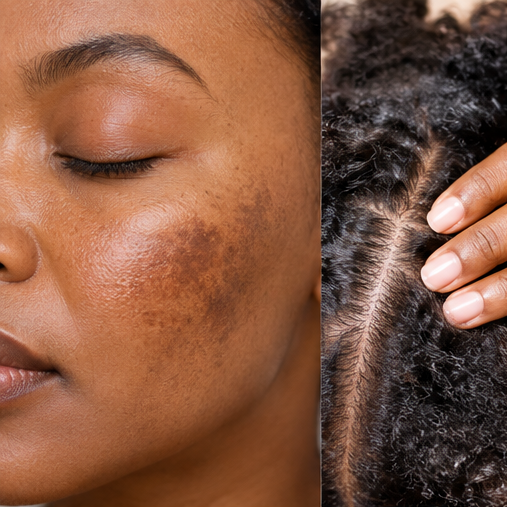
Understanding Pigmentation: Why Does Your Skin Develop Dark Spots?
Have you ever noticed dark patches appearing on your face, uneven skin tone or stubborn marks that seem to linger long after a pimple has disappeared? You're not alone. Pigmentation concerns are among the most common reasons people seek dermatological care.
What causes skin pigmentation?
Hyperpigmentation occurs when the skin produces excess melanin, the natural pigment responsible for skin colour. This can be triggered by several factors, including sun exposure, hormonal changes, inflammation, acne and certain skin conditions.
Some common forms of pigmentation include:
- Melasma: Often appears as brown or greyish patches, particularly on the face. Hormonal changes and sun exposure can contribute to its development.
- Post-inflammatory hyperpigmentation: Dark marks that remain after acne, eczema, injuries or other forms of skin inflammation.
- Sunspots: Darkened areas that develop following prolonged exposure to ultraviolet radiation.
Understanding hair disorders
Hair concerns are another important part of dermatological care. From excessive hair shedding and thinning to conditions such as alopecia, changes in hair growth can have several underlying causes.
Hair loss may be associated with genetics, hormonal changes, inflammation, nutritional factors or underlying medical conditions. Identifying the cause is an important first step towards appropriate treatment.
What treatment options are available?
Treatment depends on the underlying cause and the individual's skin or hair condition. Depending on the diagnosis, a dermatologist may recommend prescription creams, medication, chemical peels, specialised procedures or other targeted treatments.
For hair disorders, treatment may involve medication, scalp treatments or further investigations to establish the cause of hair loss.
When should you see a dermatologist?
If pigmentation is persistent, spreading or affecting your confidence, or if you are experiencing unexplained hair thinning or excessive shedding, professional assessment can help identify the cause.
The good news is that many pigmentation and hair concerns can be effectively managed with the right diagnosis and treatment plan.
Healthy skin and hair start with understanding what is happening beneath the surface.